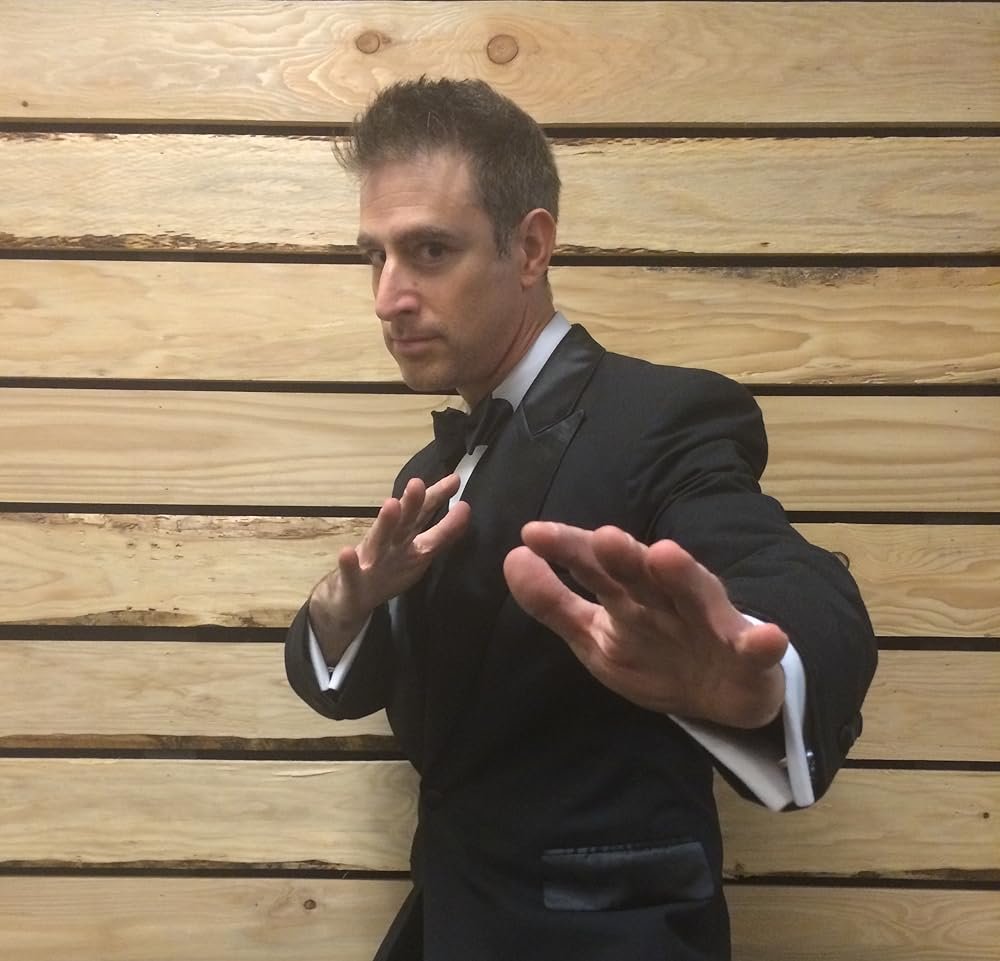
Laurence Shanet is a director, writer, and creative professional whose work connects advertising with entertainment. His career includes commercials, branded videos, television projects, short films, music videos, and other visual content. Rather than staying in one creative lane, he has built experience across several areas of media.
For people interested in filmmaking or advertising, his career is a useful example of how a strong idea can work in different formats. A short commercial may need to deliver a message in seconds, while a television or film project has more time to build a story. His experience shows how both styles can support each other.
Who Is Laurence Shanet?
He is an American director, writer, and creative director. He began his career in advertising before moving further into directing. His official biography says he worked for major advertising agencies and later built a directorial career across commercial and entertainment projects.
His portfolio includes commercials, branded content, web films, television projects, visual-effects work, music videos, and viral films. This broad range shows that his work is not limited to one platform.
Shanet has also been associated with the professional name “Kranky.” His work combines creative ideas with the practical needs of advertising, where a story has to be clear, memorable, and easy for viewers to understand.
Laurence Shanet in Advertising
Commercial directing is a major part of his career. His official client list includes Pepsi, LG Electronics, Starburst, H&R Block, Visa, Disney, Powerball, WordPress, Walmart, KFC, Skittles, Volkswagen, Green Giant, and other brands.
Directing a commercial involves much more than choosing camera angles. A director has to understand the product, audience, script, actors, timing, visual style, and message. Everything needs to work together in a short amount of time.
His background in writing and creative direction is useful here. Writing helps shape the main idea, while directing turns the idea into performances, images, sound, and movement.
Many commercial campaigns succeed because they make a simple message feel entertaining. That can involve humor, a surprising situation, an unusual character, or a visual style that viewers remember after the ad ends.
How Laurence Shanet Uses Humor
Humor is one of the most noticeable parts of his creative work. Comedy can be especially powerful in advertising because it grabs attention quickly and can make a message easier to remember.
A strong example is “Master Cabbie,” a series of comedy shorts based around a taxi-driver training academy. The project used a deliberately low-budget style as part of the joke. Shanet’s official biography says the comedy shorts were later singled out for development as a television series.
That choice shows an important lesson in directing: style should support the concept. A project does not always need perfect-looking images to connect with viewers. Sometimes an unusual choice can make an idea stand out more.
This approach is also useful for digital video. Online audiences often decide within seconds whether they want to keep watching. A clear joke, strange setup, or memorable character can create instant interest.
Awards Earned by Laurence
Shanet has received professional recognition for his directing and creative work. His official biography lists him as a past winner of the Young Director Award at Cannes and says he was named among the industry’s “Directors to Watch.”
His biography also states that his work was placed in the Museum of Modern Art’s permanent audiovisual collection. His awards list includes recognition connected with Cannes Lions, AICP/MoMA, the Clio Awards, One Show, ADDY, D&AD, and other advertising organizations.
Awards are not the only measure of creative success, but they can show that other professionals noticed the originality, execution, or impact of a project.
For directors, industry recognition can also help build trust. Agencies, brands, and producers often review previous campaigns and awards when choosing creative partners for new work.
Laurence Beyond Commercials
Although advertising is central to his career, he has also worked in entertainment. His official biography mentions the episodic drama “Cuff,” which was selected for the 2018 New York Television Festival, as well as the episodic comedy project “How Did That Happen?”
His portfolio also includes television, music-video, and web-film work. This shows how directing skills can move from short advertising pieces into longer forms of storytelling.
Commercials and entertainment projects have different needs. A commercial usually has one clear goal and limited time. A television project can spend longer developing characters, relationships, conflict, and emotion.
However, the skills can strengthen each other. Commercial directing teaches precision and fast communication. Longer entertainment work gives a director more room to explore character and story.
The Style of Laurence Shanet
One reason Shanet is interesting to study is the range of his work. His projects move between comedy, advertising, branded storytelling, television, digital media, visual effects, and music videos.
That flexibility matters in the modern media industry. Content is now made for television, websites, streaming services, social platforms, phones, and other screens. A director may need to adapt the same core idea for several different formats.
Strong directors therefore need more than technical camera knowledge. They need to understand audiences, pacing, performance, branding, and storytelling.
Shanet’s career suggests that being comfortable with different formats can create more opportunities. It can also help a director approach each project with a wider creative toolkit.
What Creators Can Learn from Laurence Shanet
There are useful lessons in Laurence Shanet’s career for new filmmakers, writers, and advertising creatives.
The first is versatility. Learning how to work in several formats can make a creative professional more adaptable.
The second is the value of a clear idea. A project does not always need a huge budget or complex visual effects. A simple concept can be powerful when the execution is strong.
The third is that humor should support the message. A funny project may attract attention, but the audience should still understand what the story or brand is trying to communicate.
Another lesson is the importance of understanding both art and business. Advertising has goals, audiences, budgets, and deadlines. Filmmaking requires creativity, craft, collaboration, and storytelling. A director who understands both sides can make better decisions.
Why Laurence Shanet Remains Relevant
Laurence Shanet represents the kind of creative career that has become increasingly common in modern media. Directors today may work on a brand campaign one month, a digital project the next, and a television or film project after that.
The ability to move between formats can be valuable because media habits keep changing. Viewers may see the same brand or story on television, a website, social media, or a streaming platform.
Creative professionals therefore need to think beyond one screen. They have to understand how ideas change when the audience, length, or platform changes.
His work offers a practical example of this flexibility. The common thread is not a single format but the ability to communicate ideas visually.
Final Thoughts on Laurence Shanet
Shanet has built a career that connects advertising, entertainment, comedy, and visual storytelling. His experience with major brands, television projects, digital content, and award-winning creative work shows the value of being versatile.
His career also gives new creators a useful reminder: strong storytelling starts with a clear idea. Equipment, budgets, and effects matter, but they work best when they support something the audience can easily understand and remember.
For anyone interested in directing, advertising, or creative media, studying a career that crosses several formats can help show how broad the profession can be.
5 Most Asked Questions About Laurence Shanet
1. Who is Laurence Shanet?
He is an American director, writer, and creative director known for work in advertising, branded content, television, digital media, and entertainment.
2. What is Laurence Shanet best known for?
He is known for commercial directing, comedy-based creative work, and projects for major brands. He has also received recognition from advertising-industry organizations.
3. What does “Kranky” mean in his career?
“Kranky” is a professional name associated with Shanet and his creative directing work.
4. Has he received major awards?
Yes. His official biography lists a Young Director Award at Cannes and other recognition connected with major advertising awards and organizations.
5. Has he worked in television and film?
Yes. In addition to commercials, his official biography and portfolio list television, web-film, music-video, and entertainment projects.