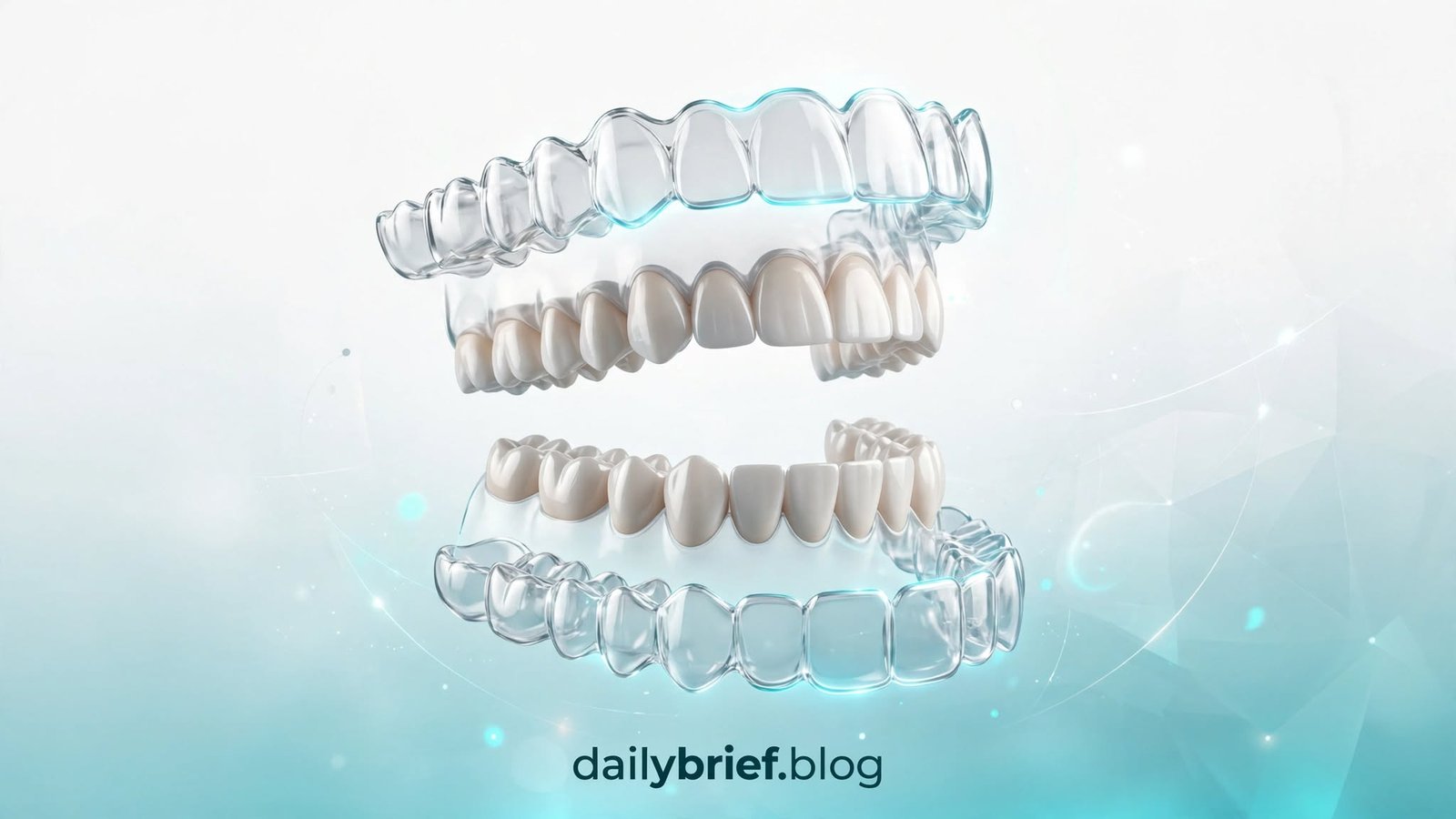
A straight, confident smile does not have to come with noticeable metal brackets and wires. Invisible braces offer a discreet way to straighten teeth, correct certain bite problems, and improve smile alignment without the traditional appearance of metal braces. They are particularly popular among adults and teenagers who want orthodontic treatment that fits comfortably into their daily routines.
Whether you are dealing with crowded teeth, small gaps, or mild alignment problems, understanding your options can help you make an informed decision. From clear aligners to ceramic braces, several treatments can provide a less noticeable alternative to conventional orthodontics.
This guide explains how invisible braces work, the different types available, their potential benefits and limitations, treatment costs, and the factors to consider before choosing an orthodontic solution.
What Are Invisible Braces?
Invisible braces are orthodontic appliances designed to straighten teeth while remaining less noticeable than traditional metal braces. Depending on the treatment, they may use transparent plastic trays, tooth-colored brackets, or brackets attached behind the teeth.
These appliances gradually move teeth into planned positions by applying controlled pressure. An orthodontist evaluates your teeth, gums, jaw alignment, and bite before recommending an appropriate treatment.
The term invisible braces is often used broadly, but not every option is completely invisible. Clear aligners are usually difficult to notice at a normal conversational distance, while ceramic braces may be visible upon closer inspection.
Common reasons people consider invisible braces include:
- Crowded or overlapping teeth
- Small gaps between teeth
- Mild to moderate spacing problems
- Certain overbites and underbites
- Selected crossbite and open-bite cases
- Cosmetic concerns about smile alignment
Not every orthodontic problem can be treated with every type of discreet appliance. A professional assessment is necessary to determine which option can achieve a healthy, stable result.
Types of Invisible Braces
Choosing the right treatment begins with understanding how the available systems differ. Your orthodontist can explain which option suits your dental condition, lifestyle, and budget.
1. Clear Aligners
Clear aligners are removable, transparent trays custom-made to fit over your teeth. Each set is designed to move selected teeth gradually, and patients change trays according to their prescribed treatment plan.
Many people choose clear aligners because they have no conventional brackets or wires and can be removed for meals and oral hygiene.
Advantages of clear aligners:
- Discreet appearance during everyday activities
- Removable for eating, drinking anything other than water, and brushing
- No metal brackets to irritate the cheeks in the usual way
- Convenient cleaning of teeth and aligners
- Digital treatment planning in many cases
However, aligners require discipline. They generally need to be worn for approximately 20–22 hours per day, although the exact schedule depends on the prescribed system. Wearing them inconsistently can delay treatment or affect the result.
Clear aligners may also be unsuitable for some complex tooth movements unless additional orthodontic techniques are used.
2. Ceramic Braces
Ceramic braces work similarly to traditional braces but use tooth-colored or translucent brackets instead of highly visible metal ones. An orthodontist attaches these brackets to the teeth and connects them with an archwire.
Because the brackets blend with natural tooth color, ceramic braces can be a suitable option for patients who need fixed orthodontic treatment but prefer a subtler appearance.
Their main benefits include reliable, continuous pressure on the teeth and the ability to treat many alignment problems. Unlike removable aligners, ceramic braces remain attached throughout treatment.
Potential disadvantages include a higher cost than some metal braces, possible bracket staining depending on the materials used, and a greater need for careful cleaning around the brackets.
3. Lingual Braces
Lingual braces are attached to the back surfaces of the teeth rather than the front. This placement makes them difficult to see during normal conversation.
They use brackets and wires to move teeth, offering a discreet alternative for people who require fixed braces.
Lingual braces can address a range of orthodontic concerns, although their suitability depends on the patient’s bite and treatment goals. They may cost more than conventional braces because customization and adjustments can be more complicated.
Some patients also experience temporary tongue irritation or changes in speech while adapting to the appliance.
4. Clear Ceramic and Tooth-Colored Systems
Some orthodontic systems combine tooth-colored brackets with less noticeable wires or other aesthetic components. These options can reduce the visual contrast between the appliance and natural teeth.
They are fixed in place, so patients do not need to remember to put them back after meals. However, the brackets may still be visible at close range.
Your orthodontist can explain the materials used, their expected appearance, and how they compare with other invisible braces options.
Invisible Braces vs. Traditional Braces
The most appropriate treatment depends on more than appearance. Cost, dental complexity, maintenance, and personal habits all influence the decision.
| Feature | Clear Aligners | Ceramic Braces | Metal Braces |
|---|---|---|---|
| Appearance | Highly discreet | Less noticeable | More noticeable |
| Removable | Yes | No | No |
| Eating | Remove before meals | Avoid certain hard or sticky foods | Avoid certain hard or sticky foods |
| Oral hygiene | Usually easier | Requires extra care | Requires extra care |
| Patient discipline | High | Lower | Lower |
| Treatment suitability | Case-dependent | Suitable for many cases | Suitable for many cases |
| Typical cost | Varies by case | Often higher than metal braces | Often more affordable |
Lingual braces are another option for patients who want fixed treatment with brackets positioned behind the teeth. Their cost and comfort considerations differ from those of front-facing braces.
No single option is ideal for everyone. An orthodontist should compare the likely treatment outcomes, not just the appearance of each appliance.
Benefits of Invisible Braces
Invisible braces can make orthodontic treatment more appealing to people who feel self-conscious about wearing conventional braces. Their advantages extend beyond appearance, although the exact benefits depend on the system selected.
A More Discreet Appearance
Clear aligners and lingual braces are particularly popular with professionals, students, and adults who prefer a less noticeable treatment. Ceramic braces also offer a more subtle appearance than many traditional metal systems.
This can make patients feel more comfortable during meetings, photographs, presentations, and social activities.
Improved Dental Alignment
Correcting crowded or misaligned teeth may make daily brushing and flossing easier. Better alignment can also help address certain bite problems that affect chewing or cause uneven tooth contact.
However, orthodontic treatment does not automatically prevent cavities or gum disease. Consistent oral hygiene and regular dental checkups remain essential.
Greater Convenience With Removable Aligners
Patients using clear aligners can remove their trays for meals and routine oral hygiene. This makes it easier to enjoy a varied diet without the food restrictions associated with fixed braces.
The convenience comes with responsibility: aligners must be worn as directed, cleaned properly, and stored safely when removed.
Potentially Fewer Lifestyle Disruptions
Some patients find that discreet orthodontic options fit more comfortably into their professional and social lives. Clear aligners also avoid many of the bracket-related issues associated with fixed braces.
Nevertheless, all orthodontic treatments require adjustment appointments, monitoring, and occasional management of discomfort.
How Much Do Invisible Braces Cost?
The cost of invisible braces depends on the treatment system, the complexity of tooth movement, the expected duration, the orthodontist’s fees, and your location.
Clear aligners may be priced differently from ceramic or lingual braces. More complicated cases can require additional appointments, attachments, refinements, or other procedures that influence the total cost.
Before choosing a treatment, ask your provider for a complete written estimate.
The estimate should clarify whether the price includes:
- Initial consultation and dental examination
- Digital scans, photographs, and X-rays when indicated
- All aligners or orthodontic appliances
- Follow-up appointments and adjustments
- Additional aligners or treatment refinements
- Retainers after active treatment
- Management of damaged or lost appliances
Also ask about installment plans, insurance coverage where applicable, and fees for missed appointments or replacement aligners.
Be cautious of unusually cheap offers that do not include proper dental assessment and ongoing professional supervision. Moving teeth without appropriate diagnosis can create bite problems or harm dental health.
How Long Does Treatment With Invisible Braces Take?
Treatment time varies according to the severity of the alignment problem, the type of appliance, and how consistently the treatment plan is followed.
Some straightforward cases may take several months, while more complex treatments can take 18–24 months or longer. These are general estimates rather than guaranteed timelines.
Clear aligner treatment may progress more slowly if trays are not worn for the prescribed hours. Fixed braces do not depend on daily insertion, but missed appointments, broken brackets, and individual biological differences can also affect progress.
Your orthodontist should provide an estimated timeline after evaluating your teeth and bite. Regular monitoring allows the treatment plan to be adjusted when necessary.
What to Expect During Invisible Braces Treatment
Understanding the treatment process can help you prepare for each stage and avoid common mistakes.
Step 1: Consultation and Dental Assessment
The process begins with an examination of your teeth, gums, jaw, and bite. Your orthodontist may recommend photographs, digital scans, or X-rays when clinically appropriate.
Any significant cavities, gum disease, or other dental problems may need attention before orthodontic treatment begins.
Step 2: Treatment Planning
Your orthodontist determines the type of appliance, the movements required, and the expected duration. For clear aligners, digital planning may show a proposed sequence of tooth movements.
Ask questions about realistic outcomes, limitations, and alternative treatments before approving the plan.
Step 3: Receiving Your Appliance
For clear aligners, you receive custom trays and instructions for wearing, cleaning, and changing them. For fixed braces, the brackets and wires are attached during an appointment.
You may experience pressure or mild soreness when starting treatment or moving to a new aligner. This often improves as your mouth adapts, but severe or persistent pain should be discussed with your orthodontist.
Step 4: Regular Progress Checks
Follow-up visits allow your provider to assess tooth movement and identify problems. The schedule depends on the appliance and your treatment plan.
Contact your orthodontist if an aligner no longer fits properly, a bracket becomes loose, or discomfort seems unusual.
Step 5: Retainers and Long-Term Maintenance
Once your teeth reach their planned positions, active treatment ends and retention begins. Retainers help prevent teeth from drifting back toward their previous positions.
Follow your orthodontist’s instructions for retainer wear. Skipping retention is a common reason for losing some of the results achieved through braces.
Are Invisible Braces Suitable for Adults and Teenagers?
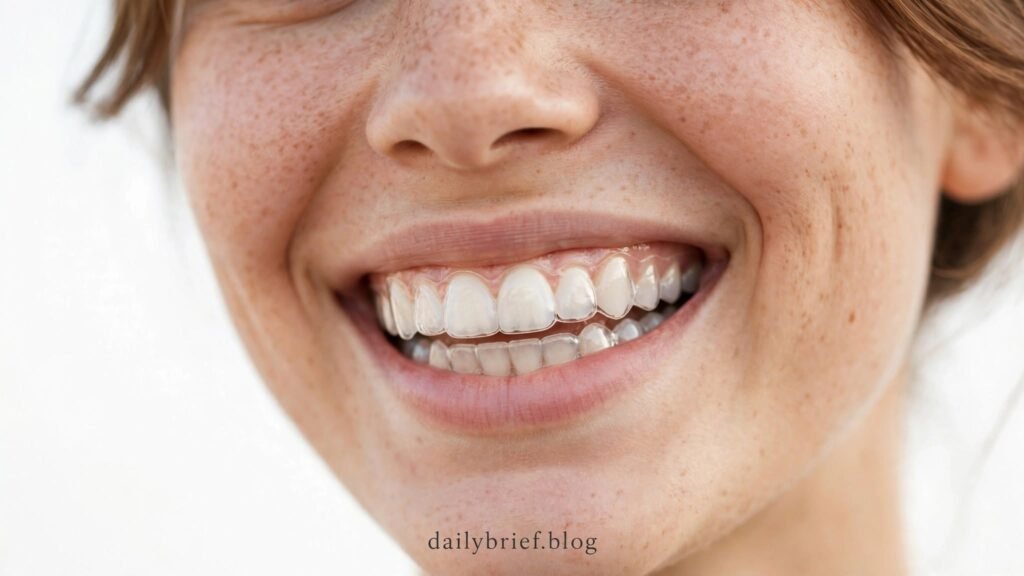
Invisible braces can be suitable for both adults and teenagers, but age alone does not determine eligibility.
Adults often appreciate the discreet appearance of clear aligners or ceramic braces. Treatment may also be possible for adults with previous orthodontic treatment whose teeth have shifted over time.
Teenagers may qualify for clear aligners if they can follow the required wear schedule and maintain good oral hygiene. Some aligner systems are specifically designed for younger patients.
For children whose teeth and jaws are still developing, an orthodontist may recommend monitoring, early intervention, or a different appliance.
The best option depends on dental development, the nature of the bite problem, oral health, and the patient’s ability to follow treatment instructions.
Possible Risks and Limitations of Invisible Braces
Although orthodontic treatment can improve alignment, invisible braces are not risk-free. Understanding the limitations helps patients set realistic expectations.
Potential issues include:
- Temporary discomfort: Pressure or soreness may occur after adjustments or when starting a new aligner.
- Speech changes: Some patients notice a temporary lisp when adapting to clear aligners or lingual braces.
- Oral hygiene challenges: Fixed appliances can trap food and plaque, increasing the risk of tooth decay and gum inflammation if cleaning is inadequate.
- Treatment delays: Inconsistent aligner wear or missed appointments can extend treatment.
- Bite changes or root-related complications: Unwanted tooth movement and other complications are possible, which is why professional monitoring matters.
- Relapse: Teeth may shift after treatment if retainers are not worn as instructed.
Clear aligners should generally be removed before eating and drinking anything other than water unless the manufacturer or orthodontist provides different instructions. Drinking sugary or acidic beverages while wearing trays can increase dental risks.
Never attempt to reshape aligners, force a poorly fitting tray into place, or adjust fixed braces yourself.
How to Choose the Right Invisible Braces
The right choice balances treatment effectiveness, appearance, comfort, and affordability. Instead of selecting a product based only on advertising, evaluate the following factors.
1. Your orthodontic needs: Ask whether the appliance can correct your specific alignment and bite problems.
2. Your daily routine: Consider whether you can consistently wear removable aligners for the prescribed time or would prefer fixed braces.
3. Your budget: Compare the full treatment cost, including retainers, follow-up visits, and potential refinements.
4. Your provider’s experience: Choose a qualified dental professional with appropriate orthodontic training and experience treating cases similar to yours.
5. Your maintenance habits: Consider whether you can clean the appliance properly and attend regular appointments.
6. Your expected results: Ask to see a realistic treatment plan and discuss what the appliance may not be able to correct.
A useful question to ask during a consultation is: “What would make you recommend this treatment over the alternatives for my particular case?” A clear explanation should address both benefits and limitations.
Common Mistakes to Avoid When Using Invisible Braces
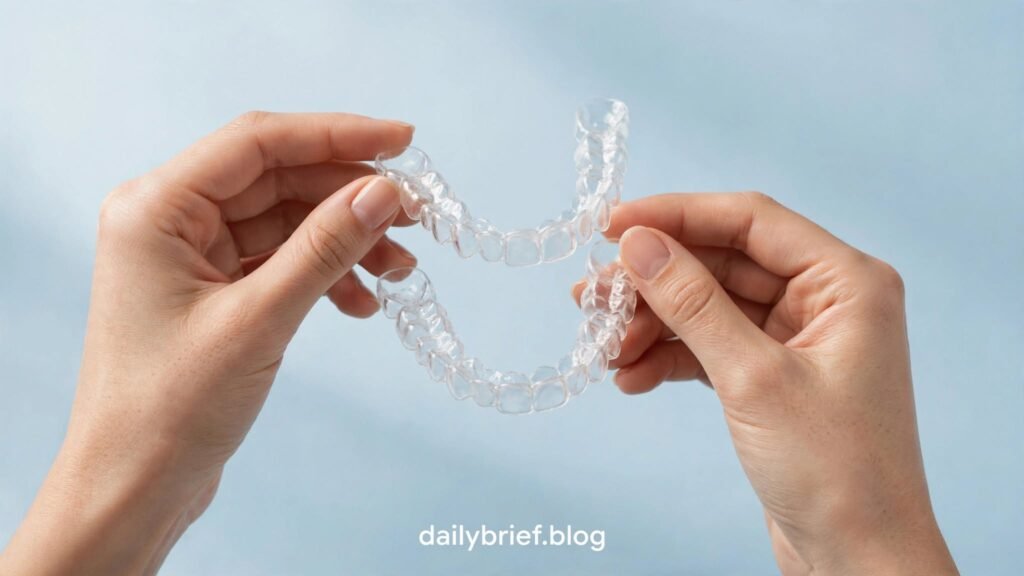
Even a well-designed treatment plan can be undermined by poor habits. Avoiding a few common mistakes can help protect your teeth and keep treatment on schedule.
- Wearing aligners inconsistently: Follow the prescribed daily wear schedule rather than removing trays for extended periods.
- Changing trays too early: Switch to the next set only when instructed by your orthodontist.
- Ignoring dental hygiene: Brush and floss regularly, and clean aligners according to the manufacturer’s guidance.
- Using hot water on plastic trays: High temperatures may distort aligners and affect their fit.
- Skipping follow-up appointments: Your provider needs to confirm that your teeth are moving safely and as planned.
- Forgetting retainers: Retention is part of orthodontic treatment, not an optional extra.
If an aligner cracks, becomes lost, or stops fitting, contact your orthodontist for advice instead of improvising a replacement plan.
Frequently Asked Questions About Invisible Braces
Are invisible braces completely invisible?
Not always. Clear aligners are usually discreet but may be noticeable at close range, especially if attachments are used. Ceramic braces can also be seen, while lingual braces are positioned behind the teeth.
Are invisible braces painful?
Some pressure, tenderness, or mild soreness is common when teeth begin moving. Persistent, severe, or worsening pain should be assessed by your dental provider.
Can invisible braces fix crooked teeth?
Yes, many cases of crooked or crowded teeth can be treated with discreet orthodontic appliances. The appropriate option depends on the severity of the problem and the movements required.
Are invisible braces faster than metal braces?
Not necessarily. Treatment duration depends on the individual case, the appliance, and adherence to the treatment plan. Some problems can be treated efficiently with aligners, while others may respond better to fixed braces.
Can I eat normally with invisible braces?
With removable clear aligners, you generally remove the trays before eating and clean your teeth before putting them back in. Ceramic and lingual braces remain attached, so dietary precautions may be necessary.
Do invisible braces work for severe orthodontic problems?
Some complex cases can be treated with clear aligners or discreet fixed appliances, sometimes with additional techniques. Other cases may be better managed with conventional braces or a combined approach. An orthodontic assessment determines the most suitable method.
Do I need retainers after invisible braces?
Yes. Retainers are usually recommended after orthodontic treatment because teeth naturally tend to shift over time. Your orthodontist will explain how often to wear them and how to maintain them.
Conclusion
Invisible braces provide several options for people who want straighter teeth without the prominent appearance of traditional metal braces. Clear aligners offer removability and convenience, ceramic braces provide a less noticeable fixed option, and lingual braces conceal brackets behind the teeth.
The right treatment depends on your dental condition, lifestyle, budget, and desired outcome. Compare the available systems carefully, understand the full cost, and choose a qualified orthodontist who can monitor your progress.
If you are considering invisible braces, schedule a professional consultation to discuss your options and receive a personalized treatment plan. With appropriate care, realistic expectations, and consistent retainer use, orthodontic treatment can help you work toward a healthier, more confident smile.