Introduction
Ultrasound facial treatments are non-surgical cosmetic procedures that use sound-wave energy to target specific layers of the skin. Depending on the technology, these treatments may help improve mild skin laxity, support collagen production, and create a firmer appearance around the cheeks, jawline, eyebrows, and neck. They are often considered by people who want to address early signs of aging without undergoing a surgical facelift.
Unlike traditional facials that mainly cleanse, exfoliate, or moisturize the skin’s surface, certain ultrasound skin-tightening treatments deliver energy into deeper tissues. This energy produces controlled heating that can stimulate the body’s natural collagen-remodeling process. Collagen is a structural protein that helps skin maintain its firmness and elasticity.
However, not every ultrasound facial works in the same way. Some devices are designed for gentle cosmetic skin care, while high-intensity focused ultrasound (HIFU) and microfocused ultrasound are intended for more targeted tissue effects. Their results, comfort levels, risks, and treatment requirements can differ considerably.
Understanding these differences can help you make an informed decision before booking a procedure. In this guide, you’ll learn how ultrasound facial treatments work, their potential benefits, what happens during a session, how long results may take, and which safety precautions matter most.
What Are Ultrasound Facial Treatments?
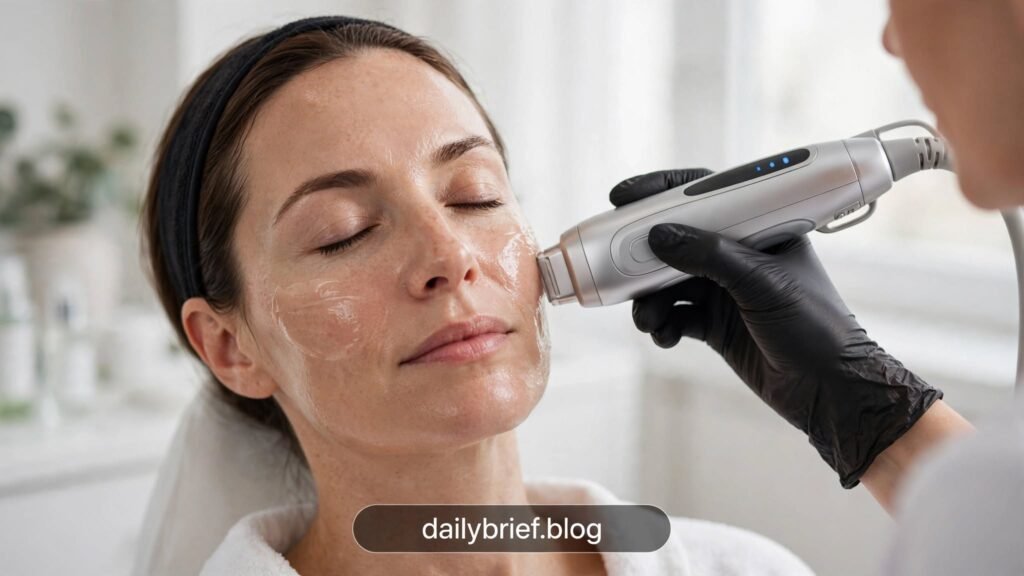
Ultrasound facial treatments use high-frequency sound waves to deliver energy to the skin or tissues beneath it. The exact purpose depends on the device: some treatments focus on cosmetic cleansing or product application, while others aim to improve skin firmness and mild sagging.
For skin tightening, practitioners use devices designed to concentrate energy at selected depths. The resulting controlled thermal effects can stimulate collagen remodeling, which may gradually improve the appearance of loose skin.
These procedures are commonly described as non-invasive because they do not require surgical incisions. Nevertheless, non-invasive does not mean risk-free. Incorrect energy delivery, unsuitable treatment settings, or poor technique can cause unwanted tissue damage.
What Does Ultrasound Do to the Skin?
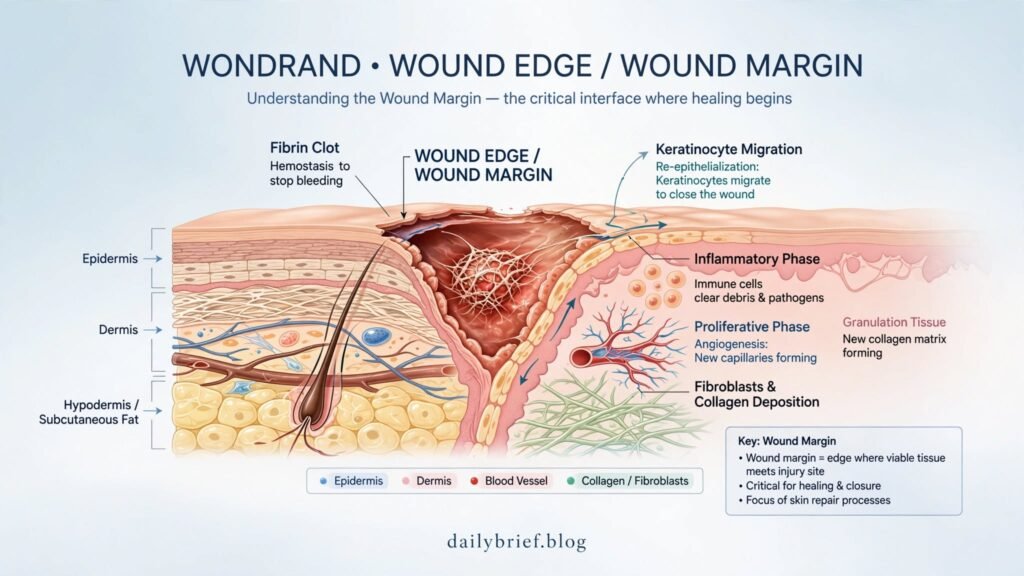
The skin contains collagen and elastin, two important components of its supportive structure. As people age, collagen production and the organization of these structural proteins change, contributing to wrinkles and reduced firmness.
Depending on the device and treatment settings, ultrasound energy can:
- Deliver energy to selected layers beneath the skin’s surface.
- Produce controlled heating in targeted tissue.
- Trigger a healing and remodeling response associated with collagen production.
- Gradually improve the appearance of mild skin laxity in suitable candidates.
These effects are not the same as surgically removing excess skin. Ultrasound treatments typically aim for modest lifting or tightening rather than dramatic facial reshaping.
Types of Ultrasound Facial Treatments
The term ultrasound facial covers several technologies. Knowing which type a clinic offers is important because the devices may have different purposes, energy levels, and safety requirements.
1. High-Intensity Focused Ultrasound (HIFU)
HIFU uses focused ultrasound energy to create localized effects in targeted tissue. In cosmetic practice, certain systems are used for non-surgical skin tightening and lifting.
Depending on the device, treatment area, and applicable authorization, HIFU may be offered to improve the appearance of mild sagging around the lower face, jawline, or neck.
Potential advantages include:
- No surgical incision.
- Little or no planned recovery time for many patients.
- Gradual changes rather than an immediate surgical-style lift.
- The possibility of treating selected areas without disrupting the entire skin surface.
Results vary, and the name HIFU alone does not establish that a device is safe, appropriately regulated, or effective for every facial concern.
2. Microfocused Ultrasound
Microfocused ultrasound directs energy into small, carefully selected tissue volumes. Some systems incorporate imaging that allows the practitioner to visualize underlying tissue during treatment.
This technology is designed to stimulate controlled thermal effects in deeper skin or supporting tissue. It may be used for selected areas where mild lifting or tightening is the goal.
Treatment with an imaging-equipped system can help a trained practitioner identify relevant anatomy and guide energy delivery. However, imaging does not eliminate all risks, and operator training remains essential.
3. Ultrasound Skin Rejuvenation Treatments
Some clinics use the term ultrasound facial rejuvenation for treatments intended to support skin care or improve the skin’s appearance. These procedures may be different from focused-ultrasound lifting treatments.
Depending on the technology, a session may be designed to:
- Support the application of cosmetic products.
- Provide a gentle facial treatment.
- Complement a broader skin-care routine.
Do not assume that a gentle ultrasound facial will produce the same collagen-related effects or lifting results as a medical-grade focused-ultrasound device. Ask the provider to explain the specific technology and its intended purpose.
HIFU vs. Microfocused Ultrasound vs. a Traditional Facial
| Feature | HIFU skin tightening | Microfocused ultrasound | Traditional facial |
|---|---|---|---|
| Main purpose | Targeted tissue heating and tightening | Precisely targeted tissue effects | Cleansing, hydration, and surface care |
| Depth | Depends on the device and treatment cartridge | Depends on the device and selected focal depth | Primarily surface-focused |
| Collagen effects | Intended with appropriate skin-tightening protocols | Intended through controlled tissue heating | Not equivalent to focused-ultrasound lifting |
| Discomfort | Can include significant discomfort | Can include tingling, aching, or pain | Usually mild, depending on the procedure |
| Recovery | Often limited, but side effects can occur | Often limited, but side effects can occur | Usually minimal |
| Best next step | Medical suitability assessment | Medical suitability assessment | Choose products and techniques suited to your skin |
Important: These categories can overlap. Device design and treatment settings matter more than the marketing label.
Benefits of Ultrasound Facial Treatments
Ultrasound skin-tightening treatments can be useful for selected people who want a non-surgical approach to mild skin laxity. Their benefits should be weighed against the limitations and possible adverse effects.
1. May Improve Mild Skin Laxity
Some focused-ultrasound treatments can produce modest lifting and tightening in suitable candidates. The effect may be noticeable around the brow, lower face, jawline, or neck, depending on the device and treatment plan.
These treatments are generally less suitable when a person has substantial excess skin that would require surgical correction.
2. Supports Gradual Collagen Remodeling
Controlled ultrasound heating can stimulate changes in collagen-rich tissue. Because collagen remodeling takes time, visible improvements may develop gradually rather than immediately.
The degree of improvement varies with age, skin condition, treatment technique, device, and individual response.
3. Does Not Require Surgical Incisions
Most ultrasound skin-tightening procedures are performed without surgical cuts. This can make them appealing to people who want to avoid surgery and its associated recovery.
Nevertheless, patients may still experience pain, swelling, tenderness, or other complications. A non-surgical procedure should never be treated as automatically harmless.
4. Often Requires Little Planned Downtime
Many patients can return to their normal activities relatively quickly after an appropriate non-invasive treatment. Temporary redness, swelling, tingling, or tenderness may occur.
The exact recovery experience depends on the technology, energy settings, treated area, and individual sensitivity.
5. Can Fit Into a Broader Skin-Care Plan
Ultrasound treatment may complement sensible skin care, including regular sunscreen use and appropriate moisturization. It does not replace daily skin protection or treatment for specific skin conditions.
The American Academy of Dermatology notes that non-invasive tightening treatments can provide modest improvements, with results developing over time.
What Skin Concerns Can Ultrasound Facial Treatments Address?
Ultrasound skin tightening is primarily considered for selected signs of mild skin laxity. It is not a universal treatment for every cosmetic concern.
| Skin concern | Potential role of ultrasound | Important limitation |
|---|---|---|
| Mild sagging around the jawline | May provide modest tightening | Does not remove significant excess skin |
| Slight brow drooping | Certain devices may offer modest lifting | Suitability depends on anatomy and device |
| Mild looseness under the chin | May improve firmness in selected cases | Does not reliably remove substantial fat |
| Early signs of aging | May improve selected laxity concerns | Does not address every cause of wrinkles |
| Deep wrinkles | Limited or variable benefit | Other treatments may be more appropriate |
| Acne scars and pigmentation | Not the primary purpose of lifting-focused ultrasound | Requires assessment for a condition-specific treatment |
| Dehydrated skin | A conventional hydrating facial may be more relevant | Focused ultrasound is not a substitute for moisturizer |
The most important question is not simply whether ultrasound works, but whether a particular device can reasonably address your specific concern.
How Long Does a Session Take?
Treatment time depends on the device and the size of the area being treated. A limited facial area may take less time than a session covering the face and neck.
Ask the clinic for an estimate that includes consultation, preparation, treatment, and any required post-treatment observation. Do not choose a provider based only on a promise of a very short appointment.
When Will You See Results, and How Long Do They Last?
Ultrasound skin-tightening results are generally gradual. Some people notice an early change, but collagen-related improvements may take several months to become apparent.
The American Academy of Dermatology reports that ultrasound-based tightening can produce modest lifting and tightening within approximately two to six months. Individual results may differ, and this timeframe should not be treated as a guarantee.
A General Results Timeline
| Time after treatment | What you may notice |
|---|---|
| Immediately afterward | Temporary redness, tenderness, or swelling; some people notice little visible change |
| First few weeks | Initial effects may become more apparent, although results are not guaranteed |
| Around 2–3 months | Gradual changes in firmness may become noticeable |
| Around 3–6 months | Collagen-related improvement may continue to develop |
| Beyond 6 months | Results may persist or gradually diminish, depending on the treatment and individual factors |
This is a general guide, not a validated schedule for every ultrasound device.
How Long Can Results Last?
The duration varies by device, treatment area, skin condition, aging process, and lifestyle. Some people maintain improvement for an extended period, while others notice a more limited effect.
Before treatment, ask the practitioner:
- What duration of benefit is supported for this specific device?
- How many sessions are recommended, and why?
- What evidence supports the proposed treatment plan?
- What are the costs and risks of repeat treatment?
Be cautious of clinics that guarantee a particular result or claim that one session will permanently stop skin aging.
Are Ultrasound Facial Treatments Safe?

Ultrasound facial treatments can be appropriate for selected patients when the correct device is used by a properly trained practitioner. However, focused ultrasound can cause unwanted tissue injury if energy is delivered for too long, at an inappropriate setting, or to the wrong anatomical structure.
The American Institute of Ultrasound in Medicine recommends that high-intensity focused ultrasound and microfocused ultrasound procedures be performed only by appropriately licensed and trained practitioners. It also notes that further research is needed to clarify long-term effects, efficacy, and durability.
Common Side Effects
Potential short-term side effects include:
- Redness around the treated area.
- Swelling or tenderness.
- Tingling or temporary sensitivity.
- Discomfort during or after treatment.
- Bruising in some cases.
These effects may be temporary, but their severity and duration depend on the device, treatment settings, and individual response.
Less Common but More Serious Risks
Possible complications can include burns, nerve injury, unwanted changes in facial contour, and other forms of tissue damage. The risks depend on the technology and how it is used.
Seek prompt medical assessment if you experience severe or worsening pain, blistering, significant swelling, new facial weakness, or persistent numbness after a procedure. Sudden facial weakness or other sudden neurological symptoms warrant emergency evaluation.
Who Should Avoid or Delay Treatment?
A medical assessment is particularly important if you:
- Have an active skin infection, open wound, or lesion in the intended treatment area.
- Have an implanted electronic device or metal implant near the treatment area.
- Are pregnant or breastfeeding.
- Have a condition affecting wound healing or sensation.
- Have recently undergone facial surgery, injectable treatments, or another cosmetic procedure.
- Take medications that could affect healing or increase bruising.
This list is not a universal set of contraindications for every ultrasound device. The appropriate precautions depend on the technology and the manufacturer’s instructions. Tell your practitioner about your medical history and all recent procedures before treatment. If you are pregnant, postpone elective cosmetic treatment unless an appropriate clinician advises otherwise.
The U.S. Food and Drug Administration’s guidance for aesthetic focused-ultrasound devices identifies risks such as thermal injury, mechanical tissue injury, and ocular injury.
8. Who Is a Good Candidate for Ultrasound Facial Treatments?
You may be a suitable candidate if you have mild skin laxity, realistic expectations, and a preference for a non-surgical option.
A qualified practitioner should evaluate your skin, facial anatomy, health history, and treatment goals before recommending a procedure.
You May Benefit If You:
- Have mild looseness around the jawline, brow, or neck.
- Want a gradual, modest improvement rather than a dramatic lift.
- Prefer to avoid surgical incisions.
- Understand that results vary and may be subtle.
- Can follow the treatment-specific aftercare instructions.
Ultrasound May Not Be the Best Choice If You:
- Have substantial loose skin that may require surgery for a meaningful change.
- Expect deep wrinkles or pigmentation to disappear.
- Want immediate, dramatic facial lifting.
- Have a medical condition or implant that makes the selected device unsuitable.
- Are considering treatment from a provider who cannot explain the device’s safety requirements.
A consultation with a qualified dermatologist or appropriately licensed medical professional can help determine whether ultrasound, another cosmetic treatment, or no procedure is the most reasonable option.
Ultrasound Facial Treatments vs. Other Skin-Tightening Options
Ultrasound is one of several approaches used to address visible skin aging. Other options include radiofrequency, laser procedures, topical skin care, and surgery.
| Treatment | Main purpose | Potential advantages | Limitations |
|---|---|---|---|
| Ultrasound skin tightening | Targets selected deeper tissues | Non-surgical; gradual improvement possible | Results vary; discomfort and tissue injury are possible |
| Radiofrequency skin tightening | Uses radiofrequency energy to heat tissue | Non-surgical options available | May require repeat sessions, depending on the device |
| Laser resurfacing | Targets selected skin layers to improve texture and other concerns | Can improve wrinkles, uneven texture, and some pigmentation concerns | Some procedures require recovery time and carry risks of pigmentation changes or scarring |
| Topical retinoids | Support skin renewal and collagen-related changes | Can help selected signs of photoaging over time | May irritate skin and cannot remove substantial sagging |
| Surgical facelift | Repositions and removes tissue as appropriate | Can produce more substantial changes in facial sagging | Requires surgery, recovery, and assessment of surgical risks |
No single treatment is best for everyone. The right option depends on whether your main concern is skin laxity, surface texture, pigmentation, wrinkles, or excess tissue. The American Academy of Dermatology explains that non-surgical tightening generally produces more modest results than surgical lifting.
How Much Do Ultrasound Facial Treatments Cost?
The cost of ultrasound facial treatments varies considerably by country, clinic, device, practitioner, and treatment area. A full-face and neck procedure may cost more than treatment of a smaller area.
There is no reliable universal price that applies to all HIFU and microfocused-ultrasound treatments. If you are comparing clinics in Pakistan or elsewhere, request a written quotation rather than relying on a general online price.
What Affects the Price?
- Device and technology: Different systems have different capabilities and operating costs.
- Treatment area: The face, jawline, and neck may be priced separately or together.
- Practitioner expertise: Qualifications and clinical experience can influence fees.
- Number of sessions: Some treatment plans involve more than one appointment.
- Follow-up care: Consultation and review appointments may be charged separately.
How to Compare Treatment Quotes
Ask each clinic to specify:
- The device’s full name and model.
- Which areas are included in the quoted price.
- Whether the consultation and follow-up are included.
- The expected number of sessions and the reason for that recommendation.
- The risks, alternatives, and likely additional costs.
A low price is not necessarily a good deal if the provider cannot establish that the equipment is appropriate or explain how it will be used safely.
Practical Advice Before and After an Ultrasound Facial
Careful preparation and sensible aftercare can help you make an informed decision and recognize problems early.
Before Your Appointment
- Research the practitioner. Check their professional registration, qualifications, and experience with the specific device.
- Confirm the equipment. Ask whether the device is intended for facial skin tightening and what evidence supports its use for your concern.
- Discuss your medical history. Disclose medications, implants, skin conditions, allergies, and previous cosmetic procedures.
- Understand the likely outcome. Ask to see representative results from the same device and treatment area, while remembering that individual results differ.
- Request written aftercare instructions. Follow the manufacturer’s protocol and your practitioner’s advice.
After Your Appointment
- Follow the specific aftercare instructions provided by your practitioner.
- Use a gentle cleanser and moisturizer if recommended.
- Apply broad-spectrum sunscreen with SPF 30 or higher as part of your ongoing skin-care routine.
- Avoid aggressive exfoliation, heat exposure, or irritating skin-care products if your practitioner advises you to do so.
- Attend recommended follow-up appointments.
- Contact a healthcare professional if you develop unexpected, persistent, or worsening symptoms.
Common Mistakes to Avoid
Choosing a provider based on price alone
Prioritize appropriate qualifications, equipment, hygiene, and safety procedures over discounts.
Expecting a surgical-style facelift
Ultrasound may provide modest improvement, but it cannot reliably reproduce the effects of surgery.
Repeating treatments too frequently
More energy or additional sessions do not necessarily mean better results. Follow an individualized treatment plan and the device instructions.
Ignoring persistent side effects
Do not assume ongoing pain, numbness, burns, or facial weakness are normal. Seek medical assessment.
How to Maintain Healthy-Looking Skin After Treatment
Ultrasound does not stop the natural aging process. Consistent skin care and healthy habits can help maintain skin quality, whether or not you choose a cosmetic procedure.
Consider these long-term practices:
- Use broad-spectrum sunscreen daily and reapply as directed.
- Avoid indoor tanning and minimize excessive sun exposure.
- Cleanse gently and moisturize regularly.
- Discuss retinoids or other active ingredients with a dermatologist if you want to address fine lines or uneven texture.
- Avoid smoking, which can contribute to premature skin aging.
- Maintain realistic expectations about what non-surgical treatments can achieve.
Most importantly, do not use cosmetic treatments as a substitute for medical assessment of a new, changing, painful, or otherwise concerning skin lesion.
Frequently Asked Questions (FAQs)
1. Do ultrasound facial treatments really work?
Yes, certain ultrasound treatments can produce modest skin tightening and lifting in suitable candidates. Results depend on the device, treatment technique, skin condition, and individual response. They are not a guaranteed replacement for a surgical facelift.
2. How many ultrasound facial treatments are needed?
The number depends on the device and the concern being treated. Some medical-grade skin-tightening systems are designed for a single session, while other ultrasound-based facial treatments may require multiple appointments. Your practitioner should explain the recommended schedule and supporting evidence.
3. Are ultrasound facial treatments painful?
Discomfort varies. Some people experience tingling, warmth, aching, or brief sharp sensations during focused-ultrasound treatment. Ask your practitioner what level of discomfort to expect and which pain-management options are appropriate for the specific device.
4. How long does it take to see results from ultrasound skin tightening?
Improvements generally develop gradually. The American Academy of Dermatology reports that some patients see modest lifting and tightening within approximately two to six months. Individual results may take less or more time, and improvement is not guaranteed.
5. Can ultrasound facial treatments remove wrinkles?
They may improve the appearance of selected wrinkles associated with skin laxity, but they do not address every type of wrinkle. Deep lines, sun damage, pigmentation, and surface-texture concerns may require different treatments.
6. What are the side effects of ultrasound facial treatments?
Possible side effects include redness, swelling, tenderness, tingling, and discomfort. More serious complications can include burns, nerve injury, or other tissue damage. Choosing a qualified practitioner and an appropriate device helps reduce avoidable risks.
7. Are ultrasound facial treatments safe for all skin types?
Suitability depends on the device, the treatment area, and the individual’s medical history. Although some non-invasive tightening technologies can be used across different skin tones, no procedure should be assumed safe for everyone. A qualified practitioner should assess your individual needs.
8. Can I use an ultrasound facial device at home?
Home-use devices may differ substantially from professional focused-ultrasound systems in energy output, design, and intended use. Do not assume a consumer device offers the same results or safety profile as a clinical treatment. Follow the manufacturer’s instructions, avoid unapproved uses, and seek medical advice before using an energy-based device on facial skin.
Conclusion
Ultrasound facial treatments can be an option for people who want to address mild skin laxity without surgery. Certain HIFU and microfocused-ultrasound devices use controlled energy to stimulate collagen remodeling, potentially improving firmness around areas such as the jawline, cheeks, brow, and neck.
However, results are usually modest and develop gradually, while side effects and complications remain possible. The best approach is to choose a qualified practitioner, verify the device and its intended use, and discuss realistic outcomes before committing to treatment.
If you are considering ultrasound facial treatments, start with a professional consultation to determine whether the procedure suits your skin concerns and health history. Combine any appropriate treatment with consistent sun protection and a sensible skin-care routine for long-term skin health.