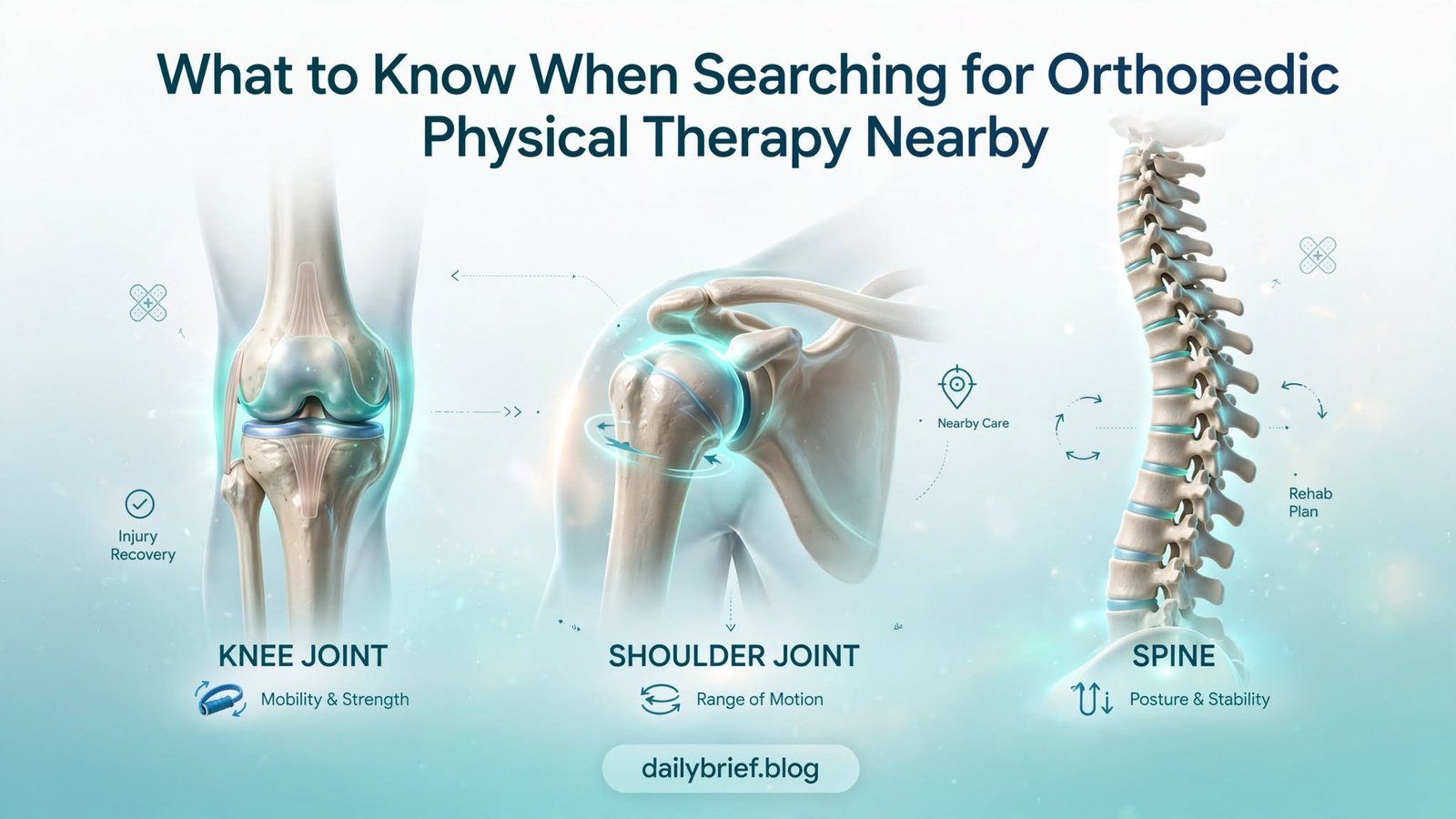
When pain makes everyday activities difficult, finding the right treatment can make a meaningful difference in your recovery. Whether you are struggling with persistent back pain, a sports injury, knee stiffness, or discomfort after surgery, understanding what to know when searching for orthopedic physical therapy nearby can help you choose a clinic that fits your needs. Orthopedic physical therapy focuses on conditions affecting muscles, bones, joints, tendons, ligaments, and other structures responsible for movement. A qualified physical therapist can assess your limitations, develop an individualized treatment plan, and help you regain strength, flexibility, balance, and confidence. However, choosing a nearby clinic involves more than finding the closest location. You should also consider the therapist’s qualifications, treatment methods, experience with your condition, appointment availability, and overall approach to rehabilitation. This guide explains how to compare local physical therapy clinics, what to expect during treatment, and which questions to ask before beginning your recovery.
What Is Orthopedic Physical Therapy?
Orthopedic physical therapy is a specialized area of rehabilitation that helps people manage musculoskeletal injuries, reduce pain, and improve physical function. It may be recommended after an injury, surgery, or the development of a condition that limits normal movement. Unlike treatments that focus only on temporary symptom relief, orthopedic rehabilitation often addresses the underlying factors contributing to discomfort and restricted mobility. A physical therapist evaluates how your body moves, identifies areas of weakness or limited flexibility, and creates exercises and treatment strategies suited to your goals.
Conditions Treated by Orthopedic Physical Therapists
Orthopedic physical therapy can help people with a wide range of conditions, including:
- Back and neck pain: Improve mobility, strengthen supporting muscles, and develop better movement habits.
- Knee and hip problems: Address stiffness, weakness, arthritis-related limitations, and recovery following joint replacement.
- Shoulder injuries: Restore movement after rotator cuff injuries, shoulder stiffness, or dislocations.
- Sports injuries: Support rehabilitation after sprains, strains, and certain ligament injuries.
- Post-surgical recovery: Help restore strength, balance, and functional movement after appropriate orthopedic procedures.
- Tendon and ligament conditions: Improve the ability to tolerate physical activity through progressive rehabilitation.
- Joint stiffness and mobility limitations: Increase comfortable movement and improve everyday function. The most appropriate treatment depends on your diagnosis, symptoms, medical history, and personal goals. A physical therapist may also coordinate with your physician when further medical evaluation is necessary.
What to Know When Searching for Orthopedic Physical Therapy Nearby
Finding a clinic close to home or work can make attending regular appointments easier. Still, convenience should support—not replace—the quality of care. Consider these important factors when comparing orthopedic physical therapy providers.
1. Check the Therapist’s Qualifications
Start by reviewing the physical therapist’s education, professional licensing, and relevant clinical experience. Requirements vary by location, so verify that the provider meets the applicable professional standards. Some therapists have additional training in orthopedic rehabilitation, sports injuries, manual therapy, or post-operative care. These skills may be particularly valuable if you have a complex condition or need specialized rehabilitation. Ask whether the therapist regularly treats patients with problems similar to yours. Experience with your specific injury can help ensure the treatment plan addresses your functional limitations and recovery goals.
2. Look for Experience With Your Condition
Not every physical therapy clinic offers the same services. One facility may focus primarily on general rehabilitation, while another may have extensive experience with athletic injuries, joint replacement recovery, or persistent spinal pain. Before scheduling an appointment, check the clinic’s website or contact its staff to confirm that it treats your condition. For example, someone recovering from knee replacement surgery may benefit from a therapist familiar with post-operative protocols, while a runner with recurring tendon pain may need a structured return-to-running program.
3. Evaluate the Treatment Approach
A good rehabilitation program should be tailored to your individual needs rather than relying on the same routine for every patient. Depending on your condition, treatment may include:
- Therapeutic exercises to improve strength and movement control.
- Mobility exercises to address stiffness and restricted range of motion.
- Manual therapy when appropriate to support movement and symptom management.
- Balance and coordination training to improve stability.
- Functional training for activities such as walking, climbing stairs, lifting, or returning to sports.
- Education about activity modification, pacing, and home exercises. Ask how the therapist plans to measure progress and adjust your treatment. A clear explanation of the rehabilitation process is a useful sign that your goals and concerns will be taken seriously.
4. Consider Location and Appointment Availability
What to Know When Searching for Orthopedic Physical Therapy Nearby can help you find a facility that fits your schedule and transportation needs. Regular attendance may be important for following your prescribed rehabilitation program. Compare clinics based on:
- Travel time from your home or workplace.
- Availability of morning, evening, or weekend appointments.
- Parking and public transportation access.
- Appointment duration and scheduling flexibility.
- Accessibility for people who use mobility aids.
- Availability of follow-up appointments. A clinic that is slightly farther away but offers appropriate expertise and convenient scheduling may be a better choice than the closest provider.
5. Review Insurance and Treatment Costs
Before starting therapy, find out whether your insurance plan covers the clinic and the services you need. Coverage may depend on your plan, referral requirements, deductible, copayment, and authorization rules. If you are paying out of pocket, request a clear explanation of the fees. Ask about the initial evaluation, individual treatment sessions, cancellation policies, and any additional charges. You should also clarify whether the therapist recommends a particular number of visits and how that recommendation will be reassessed as you progress. Avoid choosing a provider based exclusively on the lowest advertised price. The goal is to find appropriate, accessible care with transparent costs.
How to Compare Nearby Physical Therapy Clinics
Once you have identified several options, compare their services instead of relying only on online ratings.
| Factor | What to Look For | Why It Matters |
|---|---|---|
| Qualifications | Appropriate licensing and relevant training | Supports safe, professional care |
| Clinical experience | Experience treating your condition | Helps address specific rehabilitation needs |
| Treatment plan | Individualized exercises and measurable goals | Makes progress easier to evaluate |
| Communication | Clear explanations and opportunities to ask questions | Builds understanding and trust |
| Scheduling | Convenient appointment times | Makes consistent attendance easier |
| Costs | Transparent fees and insurance information | Helps prevent unexpected expenses |
| Progress reviews | Regular reassessment of function and goals | Allows treatment to adapt to your recovery |
Online reviews can provide useful information about staff communication, scheduling, and the overall patient experience. However, individual reviews cannot establish clinical quality on their own, so consider them alongside professional qualifications and your consultation.
What Happens During Your First Orthopedic Physical Therapy Appointment?
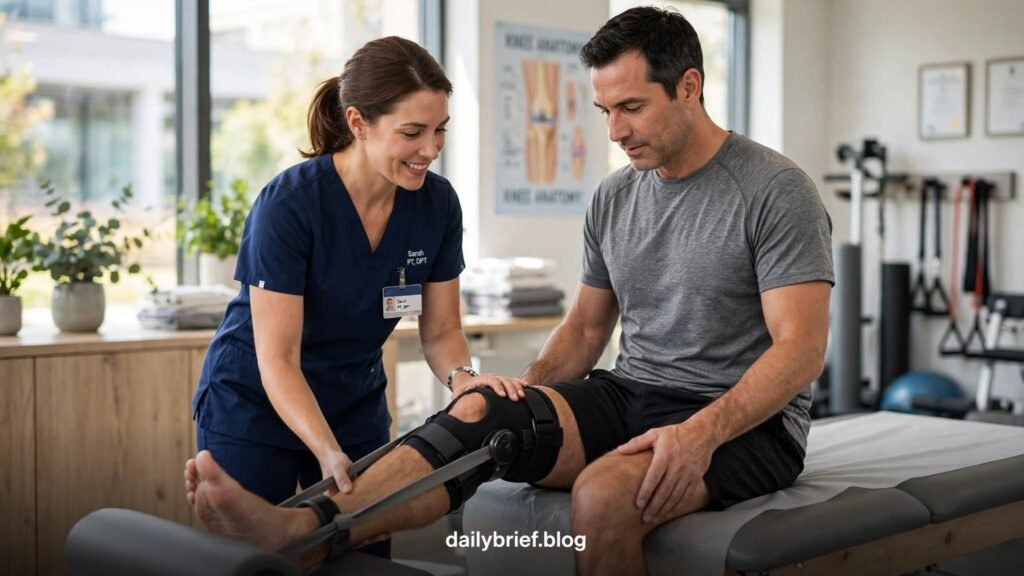
Knowing what to expect can make your first visit less stressful. Most initial appointments begin with a discussion of your symptoms, health history, and treatment goals.
Medical History and Symptom Review
The therapist may ask when your pain began, what makes it worse, which activities are difficult, and whether you have experienced similar problems before. Bring relevant medical reports, imaging results, surgical instructions, and a list of medications if available. Imaging is not always necessary for physical therapy, but existing records may help the therapist understand your situation.
Physical Assessment
Your therapist may assess:
- Joint range of motion.
- Muscle strength and flexibility.
- Posture and movement patterns.
- Walking, balance, and coordination.
- Pain during specific movements.
- Your ability to perform everyday tasks. The assessment should be appropriate for your symptoms and physical condition. Tell the therapist if an activity causes significant discomfort or if you have concerns about performing a particular movement.
Individualized Treatment Plan
Following the assessment, the therapist will discuss the findings and outline possible treatment options. Your plan may include supervised exercises, manual techniques, education, and a home exercise routine. You should understand the purpose of each major component, how progress will be evaluated, and when the plan may need to change. Recovery timelines differ depending on the condition, its severity, overall health, and consistency with the recommended program. A responsible provider will avoid promising a guaranteed recovery date.
Questions to Ask Before Choosing a Clinic
Asking a few focused questions can help you determine whether a provider is a suitable match. Consider asking:
- Do you regularly treat my condition? This helps establish whether the therapist has relevant experience.
- Who will provide my treatment? Confirm whether you will see a licensed physical therapist and how support staff are involved.
- How will you measure progress? Look for meaningful goals related to pain, movement, strength, and daily activities.
- Will I receive a home exercise plan? Ask how exercises will be explained and adjusted.
- How frequently will I need appointments? The schedule should reflect your needs and be reviewed as you progress.
- What will treatment cost? Confirm insurance coverage, copayments, and any additional fees.
- How will you coordinate with my doctor? This can be important after surgery or when your condition requires medical supervision. Pay attention to how the staff responds. Clear, respectful answers can help you make a more informed decision.
Benefits of Choosing the Right Orthopedic Physical Therapy Provider
Working with a suitable physical therapist can support recovery in several ways.
Improved Strength and Mobility
Targeted exercises can help rebuild strength, improve joint movement, and make everyday activities more manageable. Your program can progress as your tolerance and abilities improve.
Better Management of Pain
Physical therapy may help reduce musculoskeletal pain through movement, exercise, education, and other appropriate interventions. Results vary, and some conditions require additional medical care.
Support After Surgery
Rehabilitation can be an important part of recovery following procedures such as knee replacement, hip replacement, or certain shoulder surgeries. The therapist should follow the relevant surgical precautions and coordinate with your medical team when needed.
A Safer Return to Physical Activity
Athletes and active individuals may benefit from progressive rehabilitation that develops strength, coordination, and tolerance for sport-specific movements. Returning to demanding activities too soon can increase the risk of setbacks, so progression should be based on functional readiness rather than the calendar alone.
Greater Confidence in Everyday Movement
Pain and injury can make people hesitant to bend, lift, walk, or exercise. Learning appropriate movement strategies and gradually rebuilding capacity can help restore confidence in daily routines.
Common Mistakes to Avoid When Searching for Orthopedic Physical Therapy Nearby

Even a convenient clinic may not be the right choice if its services do not match your needs. Choosing based only on distance: Convenience matters, but qualifications, communication, and relevant experience deserve equal attention. Ignoring your treatment goals: Explain what you want to accomplish, whether that means walking comfortably, returning to work, playing sports, or managing stairs. Expecting passive treatment alone: Hands-on techniques or other symptom-management approaches may be helpful, but many rehabilitation plans also require active exercise and participation. Failing to follow home instructions: Exercises prescribed for home use may be an important part of your recovery. Ask for clarification if you are unsure how to perform them. Continuing despite concerning symptoms: Some temporary soreness can occur during rehabilitation, but sharp or worsening pain should be discussed with your therapist. Stop an activity and seek appropriate medical advice if symptoms become concerning. Overlooking changes in your condition: If your symptoms are worsening or progress is not meeting expectations, ask for a reassessment and whether your treatment plan or medical evaluation needs to change.
When Should You Seek Medical Attention Before Physical Therapy?
Physical therapy can help many musculoskeletal problems, but certain symptoms need prompt medical assessment rather than a routine therapy appointment. Seek emergency medical care for new loss of bladder or bowel control, numbness around the groin or saddle area, or sudden significant weakness associated with back pain. These can indicate a serious condition requiring urgent evaluation. Also seek urgent assessment for a suspected fracture, a visibly deformed joint after an injury, or a hot, red, swollen joint accompanied by fever. Sudden chest pain or difficulty breathing also requires emergency care. New or progressive numbness, unexplained severe pain, or symptoms that worsen significantly should be discussed with a healthcare professional promptly. A physical therapist can help determine whether rehabilitation is appropriate or whether you need further evaluation.
How to Prepare for Your First Visit
A little preparation can make your initial appointment more productive. Before attending, consider the following:
- Wear comfortable clothing that allows movement around the affected area.
- Bring relevant medical records and surgical instructions.
- Prepare a short description of your symptoms and when they began.
- List activities that cause discomfort or difficulty.
- Write down your recovery goals and questions.
- Confirm appointment details, insurance coverage, and payment arrangements. Be honest about your activity level, previous injuries, and concerns. This information helps your therapist recommend an appropriate starting point and develop a realistic plan.
Final Thoughts on What to Know When Searching for Orthopedic Physical Therapy Nearby
Understanding what to know when searching for orthopedic physical therapy nearby can help you make a more confident decision about your rehabilitation. The right provider should offer appropriate qualifications, experience with your condition, individualized treatment, clear communication, and practical scheduling and payment options. Start by identifying your primary concern, comparing local clinics, and asking questions about assessment methods and treatment goals. Read reviews thoughtfully, verify professional credentials, and choose a therapist who explains your options without promising unrealistic results. Most importantly, stay involved in your recovery. Follow your prescribed program, communicate changes in your symptoms, and attend reassessments as recommended. With appropriate care and a plan suited to your needs, orthopedic physical therapy can help you work toward better mobility, improved function, and a more comfortable return to everyday activities.