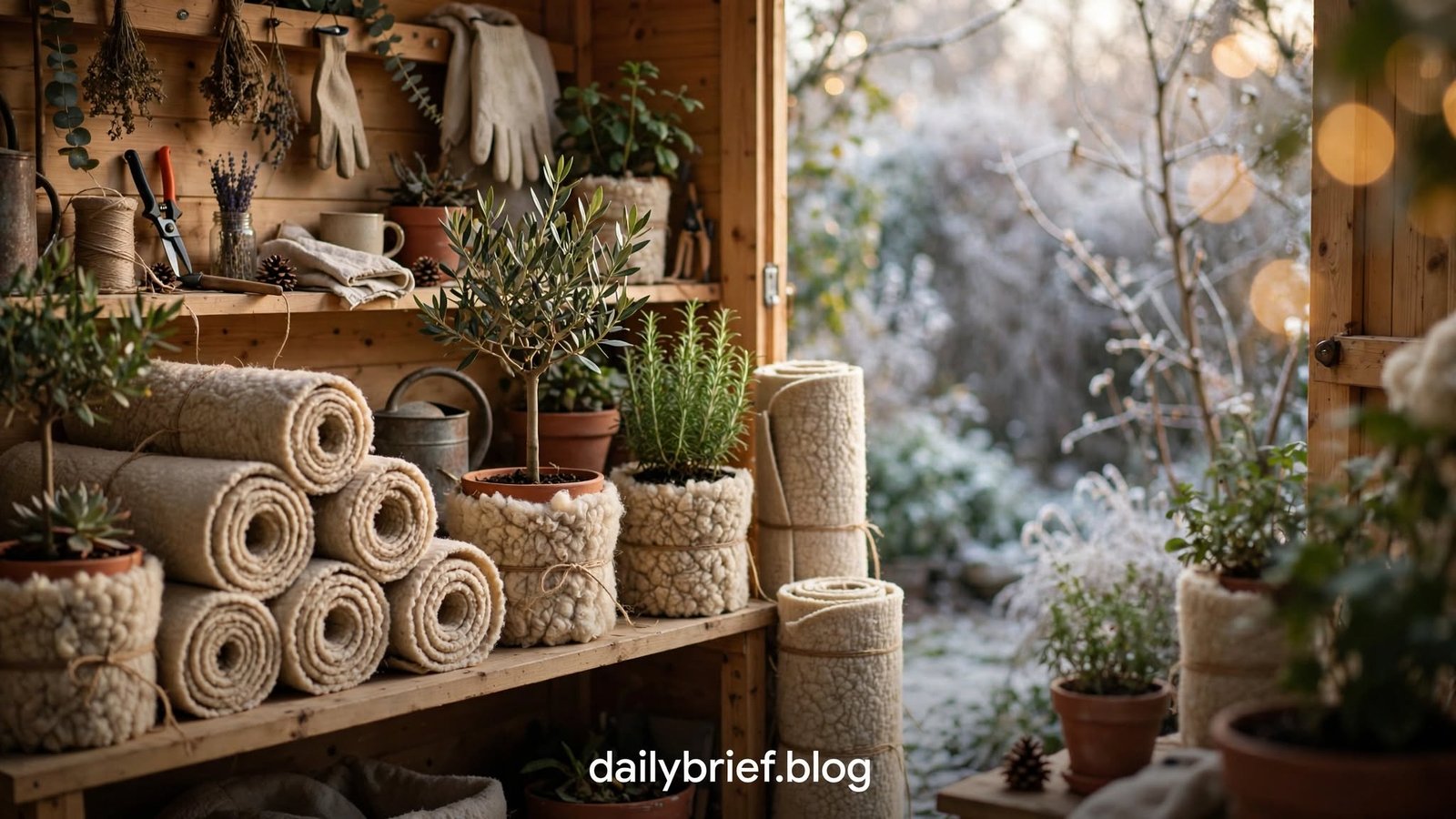
When exploring natural textile solutions for interior comfort, thermal management, or sustainable home accents, you will frequently encounter the German term Wollmatten. Translating directly to “wool mats” (with the singular form being Wollmatte), Wollmatten refers to a broad family of versatile matting products constructed entirely or predominantly from sheep’s wool and natural felted fibers.
Because Wollmatten is an overarching product category rather than a single trademarked brand, searchers often wonder how these mats differ in construction, where they perform best, and how to select authentic wool mats for maximum durability. This definitive guide breaks down everything you need to know about wool matting materials, application techniques, thermal advantages, and routine maintenance.
What Are Wollmatten?
At its core, Wollmatten describes flexible, durable sheets or pad structures manufactured from natural wool fibers. The intrinsic properties of sheep’s wool—such as crimped fibers, micro-air pockets, and natural lanolin oil—give these mats unique thermal insulation, moisture regulation, and soft tactile qualities.
┌────────────────────────────────────────────────────────────────────────┐
│                        WOLLMATTEN QUICK FACTS                          │
├───────────────────┬────────────────────────────────────────────────────┤
│ Material Base     │ Pure Sheep's Wool, Wool Blends, Felted Fiber       │
│ Primary Functions │ Floor Accent, Thermal Insulation, Acoustic Control │
│ Fiber Structure   │ Crimped Natural Protein Fibers (Keratin)           │
│ Eco Profile       │ Biodegradable, Renewable, Naturally Flame-Retardant│
└───────────────────┴────────────────────────────────────────────────────┘
Manufacturers produce Wollmatten using several specialized fiber-processing techniques depending on the intended final usage:
- Felting: Utilizing moisture, heat, and mechanical agitation to interlock loose wool fibers into dense, solid sheet mats.
- Needle Punching: Pushing barbed mechanical needles repeatedly through wool layers to create firm, structural fiber mats used in heavy padding and eco-friendly insulation.
- Weaving & Tufting: Intertwining wool yarns into classic pile, loop, or flat-weave floor coverings designed for living spaces.
Primary Types and Uses of Wollmatten
Because Wollmatten spans multiple functional industries, understanding specific product variations ensures you choose the correct matting for your home or project.
                     WOLLMATTEN CLASSIFICATIONS
                                 │
     ┌───────────────────────────┼───────────────────────────┐
     ▼                           ▼                           ▼
[ Interior Floor ]       [ Yoga & Wellness ]     [ Eco-Insulation ]
  Decorative rugs &        Dense felt mats for     Acoustic panels &
  soft accent mats         comfort & grounding      thermal underlayment
1. Interior Floor Covers and Accent Rugs
In interior decoration, high-grade Wollmatten serve as luxurious floor covers, area pads, or entry runners. The dense fiber network cushions footsteps, softens cold hardwood floors, and introduces natural texture to living rooms, nurseries, and bedrooms.
2. Yoga, Meditation, and Wellness Mats
Felted Wollmatten are immensely popular in restorative yoga, Kundalini practice, and daily meditation routines. Pure wool offers exceptional ground insulation, keeping your body warm on cold tile or concrete floors while offering soft joint cushioning without synthetic odors.
3. Acoustic Control and Thermal Insulation
Technical grade Wollmatten are engineered for sound absorption and thermal retention. Installed behind wall panels, under subfloors, or inside studio rooms, dense wool mats dissipate sound waves to reduce echo while trapping ambient heat inside living areas.
4. Eco-Friendly Gardening and Mulch Mats
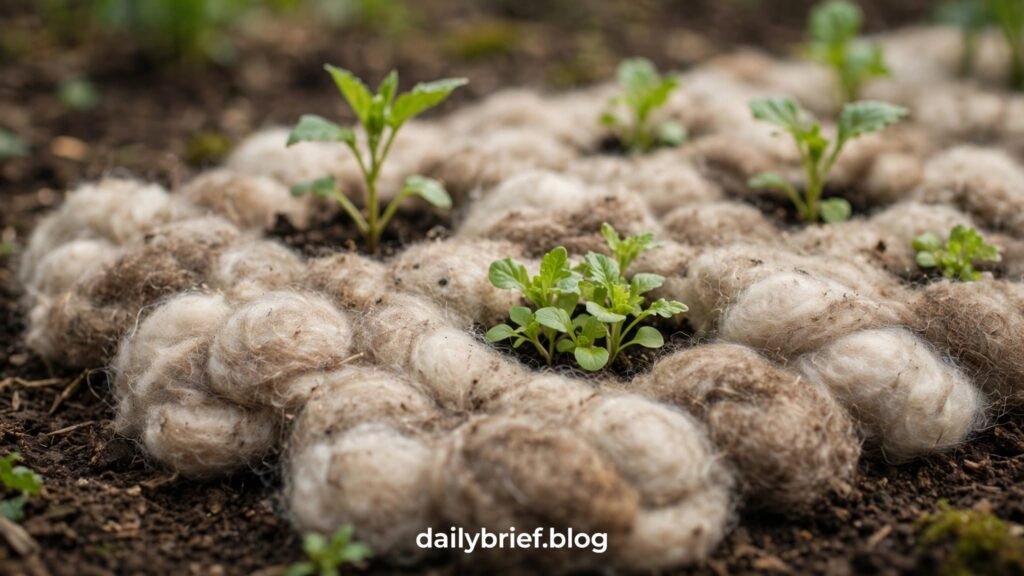
In modern organic horticulture, coarse Wollmatten serve as biodegradable soil covers and weed suppression barriers. These outdoor wool mats allow water to penetrate to root systems while blocking sunlight from weed seeds, eventually breaking down into natural nitrogen fertilizer for the soil.
Key Benefits of Authentic Wool Mats
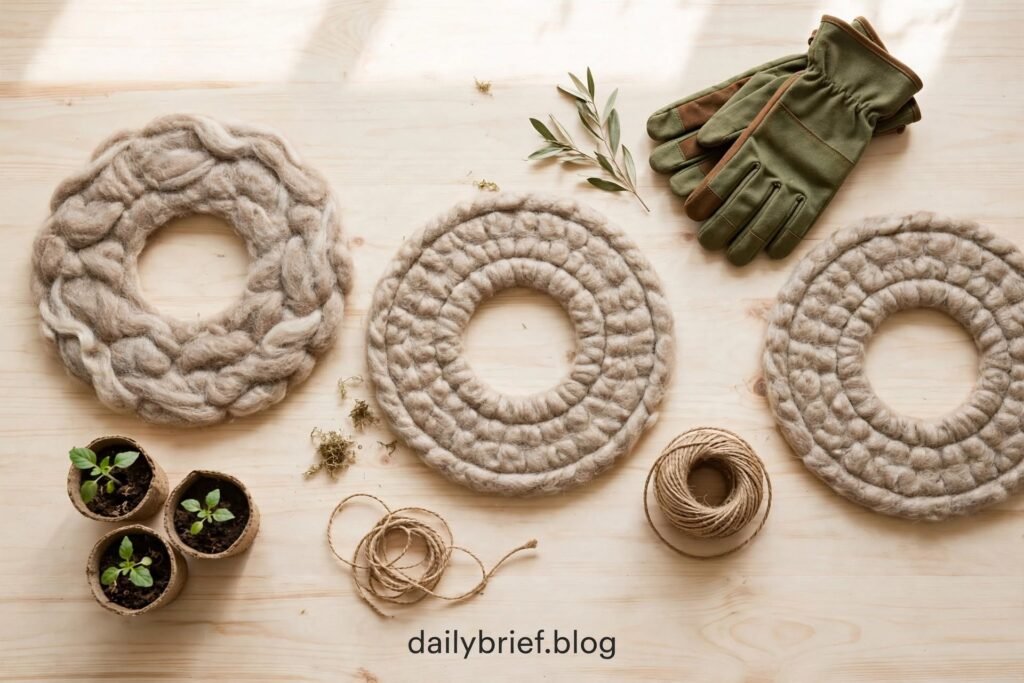
Investing in genuine Wollmatten offers distinct advantages over synthetic polyester or polypropylene alternatives:
- Natural Thermal Insulation: Crimp in sheep’s wool creates millions of microscopic air pockets that trap ambient warmth during winter and maintain cool surface contact in summer.
- Humidity Regulation: Wool is naturally hygroscopic, absorbing excess room moisture when humidity is high and releasing it back when air becomes dry.
- Inherent Flame Resistance: Wool fibers possess high ignition temperatures and self-extinguish quickly, making pure wool matting safer than oil-derived synthetic mats.
- Resilient Elasticity: Wool fibers feature a spring-like natural memory, allowing Wollmatten to bounce back after heavy furniture compression.
- Sustainable and Biodegradable: Pure wool mats are 100% renewable resources that decompose naturally without releasing microplastics into the ecosystem.
Comparing Wollmatten vs. Synthetic Mats
To help you decide whether natural wool mats fit your budget and physical space, review this direct comparison breakdown:
| Feature | Authentic Wollmatten (Wool Mats) | Synthetic Mats (Polyester / Nylon) |
| Material Origin | 100% Natural Sheep Fleece / Felt | Petroleum-based Synthetics |
| Thermal Performance | Exceptional insulation & micro-climate control | Low thermal mass; retains surface heat unevenly |
| Eco Impact | Renewable, compostable, low carbon footprint | Non-biodegradable; generates microplastics |
| Static Resistance | Naturally anti-static fiber matrix | Prone to electric charge and dust attraction |
| Longevity | Excellent with proper routine wool care | Prone to fiber matted wear and chemical breakdown |
| Investment Level | Moderate to Premium | Economical / Low Upfront Cost |
How to Choose the Right Wollmatten: A Buyer’s Checklist
Before purchasing Wollmatten, follow this targeted evaluation checklist to ensure you get genuine quality:
- Verify the Fiber Percentage: Check the manufacturer label. Premium Wollmatten should contain at least 80% to 100% virgin wool. Avoid heavy synthetic fiber blends if eco-friendliness and humidity control are your top priorities.
- Inspect Backing Materials: Indoor wool floor mats often use natural latex or felt backing. Ensure the backing does not utilize toxic PVC glues that off-gas harmful chemicals inside your home.
- Assess Density and Gram Weight: For soundproofing or heavy floor protection, opt for high-density felted Wollmatten with higher weight per square meter. For light accent decor, a softer tufted weave works best.
- Check Insect Protection: Quality wool products undergo eco-friendly moth-proofing treatments to prevent insect damage during storage and prolonged use.
Cleaning and Maintaining Your Wool Mats
Proper routine care extends the lifespan of your Wollmatten for decades. Follow these recommended textile maintenance steps:
- Regular Vacuuming: Vacuum floor mats weekly using suction-only mode. Avoid using aggressive rotating beater bars, as they can cause excessive fiber fuzzing or pilling on raw wool mats.
- Immediate Spot Cleaning: Blotted spills instantly using clean paper towels. Never rub wet stains vigorously. Treat spots using pH-neutral wool detergent diluted in cold water.
- Air Drying: Always air-dry wet wool matting away from direct heat sources like radiators or scorching sunlight to prevent fiber shrinkage or warping.
- Seasonal Airing: Hang your Wollmatten outdoors on a dry, breezy day once or twice a year to freshen the natural wool fibers and restore loft naturally.
Common Mistakes to Avoid
- Using Harsh Chemical Cleaners: Bleach, oxygen cleaners, and high-pH detergents dissolve wool’s protective lanolin coating and destroy fiber strength.
- Washing with Hot Water: Subjecting pure Wollmatten to hot water or high-heat machine drying causes irreversible wool felting and severe shrinkage.
- Placing Unbacked Wool Mats on Slick Tile: Always place a rubber or natural latex non-slip pad under lightweight floor mats to prevent hazardous slipping.
Conclusion
Incorporating authentic Wollmatten into your home, studio, or garden project is one of the most effective ways to enjoy natural thermal insulation, superior durability, and timeless aesthetic warmth. By choosing genuine wool mats over synthetic alternatives, you invest in an eco-friendly material that actively regulates indoor climate while elevating your living environment. Select the right weave density, follow proper wool maintenance, and enjoy the long-lasting comfort of high-quality wool matting.


One thought on “Wollmatten: The Ultimate Guide to Wool Mats, Uses, and Benefits”